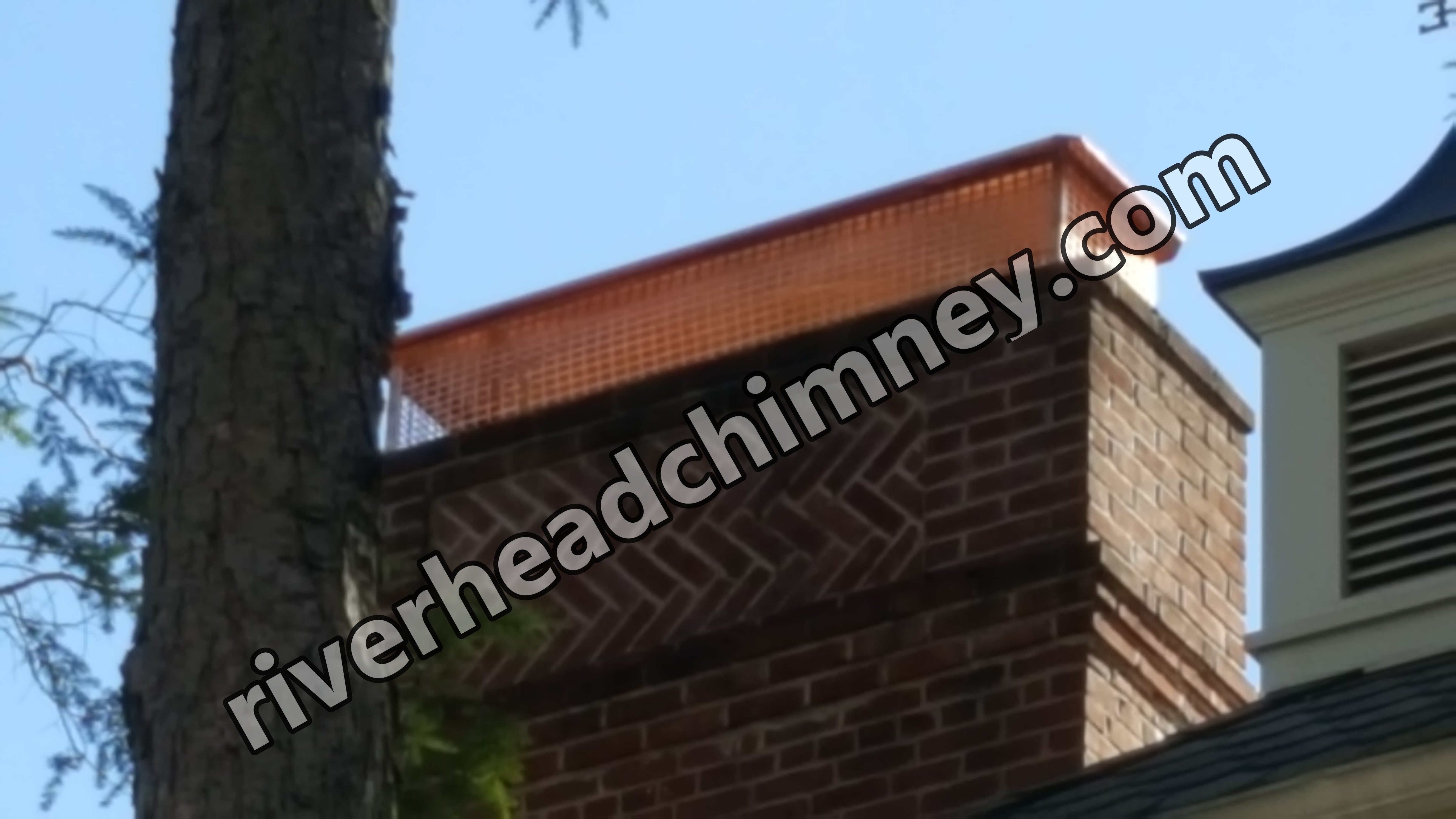
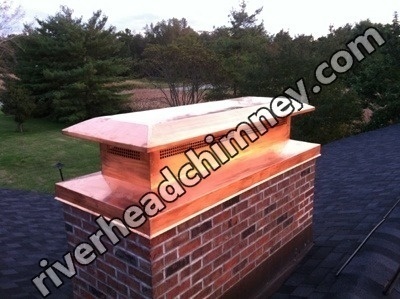
Your chimney cap is working harder than you probably realize. This small metal assembly sits at the crown of your chimney flue, performing multiple critical jobs simultaneously—and when it fails or deteriorates, the consequences ripple through your entire heating system and into your home's interior. Here in Riverhead, where homes were built across several generations and many residents rely on oil-fired heating systems as backup or primary heat sources, we see firsthand how a compromised chimney cap creates a cascade of problems that homeowners often don't connect back to that single component.
Whether you're heating a ranch-style home built in the 1970s or a colonial from the 1990s, the physics of your chimney stack remains the same: without a functioning cap, your flue is basically an open door to the elements, wildlife, and debris. At DME Maintenance, we've been serving homeowners throughout Riverhead and Suffolk County, NY since 2001, and chimney cap replacement has become one of our most requested services—particularly after the seasonal storms that sweep across Long Island and the broader northeastern coast. A missing, cracked, rusted, or improperly fitted cap isn't a minor inconvenience; it leads to serious damage that costs far more to repair than replacement would have.
Water intrusion is the most destructive outcome of a missing or failing chimney cap, and it's especially damaging in Riverhead and surrounding communities because of our region's humidity, coastal moisture, and seasonal precipitation patterns. When rain or melting snow enters your flue directly, it doesn't simply evaporate—it saturates the masonry, deteriorates the mortar between bricks, erodes the interior flue liner, and eventually migrates into the surrounding chimney structure and into your home itself. Riverhead residents with older homes know that water damage compounds over time; what starts as barely noticeable damp spots on an interior ceiling can become structural damage that compromises the integrity of your chimney chase and the wall it passes through.
We've responded to emergency calls from homeowners in Riverhead who discovered water staining on bedroom ceilings, ruined drywall in upper floors, and the distinctive smell of mold growth—all traced back to a cap that had rusted through or blown off during one of our region's nor'easters. The weather here hits home exteriors hard: moisture and wind accelerate metal corrosion, wind events are frequent and intense, and freeze-thaw cycles take their toll on masonry. If you're a Riverhead homeowner with an uncapped chimney or a cap that's more than ten or fifteen years old, water damage isn't a possibility, it's a timeline.
Beyond water damage, chimney caps serve the important function of keeping animals and birds out of your flue, something that becomes increasingly important as surrounding woodlands interact with suburban development across Riverhead and neighboring areas like Calverton and Brookhaven. Raccoons, squirrels, birds, and other wildlife instinctively seek shelter, and a warm chimney flue—especially on homes heated with oil or wood—represents perfect real estate from an animal's perspective. Once inside, they build nests, leave droppings, create blockages, and sometimes become trapped, causing odor problems and potentially contaminating your indoor air quality.
We've encountered situations where Riverhead residents couldn't use their fireplaces or heating systems because an animal had nested inside the flue, and the removal and cleanup process costs far more in time and effort than installing a proper cap in the first place. Birds are particularly problematic because they return to the same nesting sites year after year; if your chimney has been accessible for even one season, you may be dealing with a recurring problem. A quality chimney cap with proper mesh screening prevents all of this while still allowing your heating system to function normally.
For Riverhead homeowners, this is especially relevant given our proximity to the natural areas around Indian Island and the wetlands that characterize much of eastern Suffolk County, we're not isolated from wildlife, and preventive protection matters.
Storm damage and wind events have become a regular part of seasonal weather patterns here on Long Island, and chimney caps often take the brunt of that punishment. Riverhead sits in an area that experiences nor'easters, tropical storms, and nor'westers that generate sustained winds capable of lifting, loosening, or completely tearing off an improperly installed or aging cap. We've responded to calls from Riverhead residents after major weather events, discovering that their caps have been displaced or that debris—branches, leaves, shingles from neighboring homes—has accumulated in or damaged the cap structure. Even a cap that's technically still attached may have shifted just enough to create gaps where wind-driven rain can penetrate.
The debris that accumulates when your cap is damaged or absent becomes a secondary problem: leaves, twigs, and pine needles pile up in your flue, creating blockages that reduce draft efficiency and create fire hazards if you're using your fireplace. The combination of debris accumulation and water intrusion is particularly damaging; wet leaves and organic matter break down inside your flue, creating acidic byproducts that accelerate corrosion of the metal flue liner and mortar. For oil-heated homes in Riverhead, this matters because even if you're not actively using a fireplace, the chimney flue connected to your heating system needs to remain clear and dry for safe operation.
Recognizing when your chimney cap needs replacement is straightforward if you know what to look for. Visible rust, corrosion, or deterioration of the metal cap structure is an obvious sign—if the protective coating has worn away or the metal itself is compromised, replacement is overdue. Caps that are tilted, loose, or partially dislodged need immediate attention because they're only partially protecting your flue. If you're a Riverhead homeowner who hasn't had a recent inspection, or if you can't remember when your cap was last replaced, the answer is probably "it's been too long." Missing sections of mesh screening or visible gaps around the edges mean animals and debris are entering your system right now.
Sometimes the signs are interior: if you notice water stains around your chimney chase, smell odd odors from your flue, or have had bird or animal activity sounds inside your walls, a failed cap is frequently the culprit. We recommend that Riverhead residents have their chimneys inspected annually—ideally in early fall before heating season, so we can identify cap issues before they cause damage. The timing matters because spring storms and early summer weather events can damage or dislodge caps during months when you're not actively heating your home, and by the time you fire up your system in October, weeks of water intrusion may have already occurred.
Douglas covers all of Riverhead and knows the neighborhood streets well. Long Island homes in Riverhead vary considerably — from Cape Cods and split-levels built in the 1950s to more recent construction — and Douglas is experienced with every chimney configuration found in the area.
Chimney cap replacement is a straightforward service, but it's not something we recommend as a DIY project for most homeowners. Working safely at the peak of your roof, at height, with proper tools and techniques, requires experience and the right equipment. Beyond safety, choosing the correct cap size, material, and installation method matters enormously for long-term performance. Different chimney styles require different cap designs; what works for one Riverhead home won't necessarily work for another. At DME Maintenance, we've been serving Riverhead homeowners and throughout Suffolk County, NY since 2001, and we understand the specific needs of homes in this area—the corrosion from moisture and weather exposure, the wind-driven rain, and the water management issues that come with winters here.
We measure your flue opening carefully, assess your roof pitch and chimney structure, and select a cap that will perform reliably for years while complementing your home's exterior. Whether you've had a storm damage your existing cap, discovered an animal problem, or simply realized your chimney has been unprotected for too long, we're ready to help. Contact DME Maintenance today at 631-316-0622 to schedule an inspection and get your chimney properly protected. Don't wait for water damage to reach your interior walls, for animals to establish a nest in your flue, or for the next storm to cause additional damage. Call 631-316-0622 now and let us ensure your chimney system is working properly and your home is protected.